


Studios that embrace this shift won’t just keep up—they’ll set the pace for a new era of data-driven fitness. New to the top 20 in 2026, this trend reflects growing interest in activities that combine fitness with fun, flexibility and social connection outside traditional gym settings. The rising popularity of Pickleball, clubs and leagues involving less strenuous activities are examples of this trend. Its highest position to date, the Exercise for Weight Management trend now includes increases in the use of obesity management medications such as GLP-1 RA. Obesity affects 42.4% of U.S. adults, while approximately 49% of those with obesity report actively trying to manage their weight. Done well, communities and unified experiences become powerful retention tools.
How to make a gym more sustainable?
It’s important to get this right because 51% of consumers value personalized fitness experiences from providers. That’s not just convenient; it creates a sense of progress and continuity that keeps people coming back. The hybrid fitness model blends in-person gym training with digital platforms, apps, and on-demand classes. It allows members to switch seamlessly between online and offline workouts, offering flexibility and convenience.
Trend #5: Gamified Health, Wellness, and Training Apps

Members can train in-club, follow the same plan at home, message a coach, log habits, and get reminders inside one continuous journey. A branded app strengthens this even more because the relationship stays with your facility, not a third-party platform. Gyms and studios that embrace sustainability are gaining a clear market advantage. From energy-efficient lighting and ventilation systems to low-impact flooring and recycled materials, eco-conscious design is not just about saving the planet; it’s about saving costs and attracting loyal members. For brands, gyms, and wholesalers, the challenge is clear — evolve with innovation or be left behind. Preventive care and remote care simplify care plans which reduces the cost of care access.
The Opportunity: A Look At The Wearable Fitness Landscape
People nowadays not only focus on building muscles but also on achieving complete well-being. They are looking for solutions that combine physical, mental, and emotional health. To fulfill this demand, gyms are introducing meditation zones, recovery rooms, and nutrition guidance, while brands promote products that support balance, not just performance. The future of the fitness industry lies in predictive performance analytics that read members’ behavior, recovery patterns, and biometric signals to offer guidance before users even realize they need help.
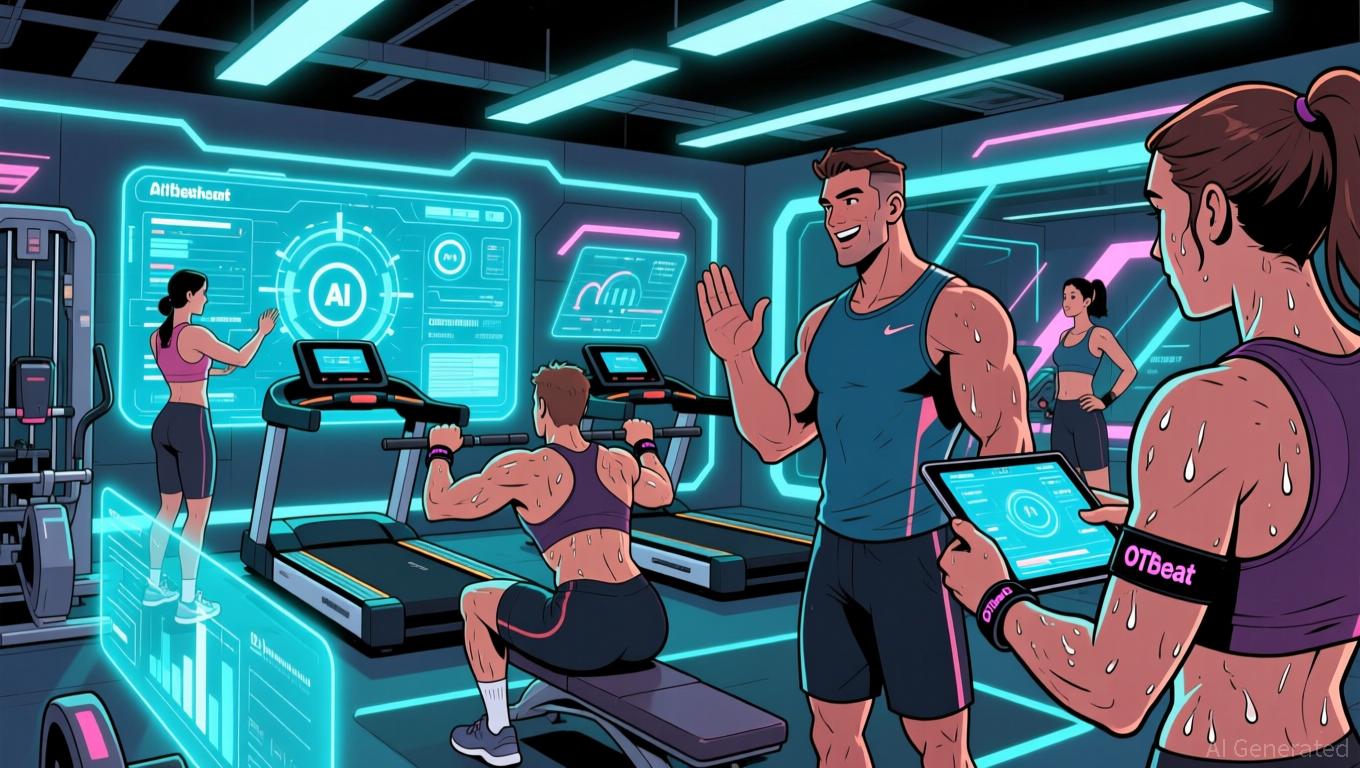
Why Fitness Technology Matters For Gym Owners
Smart fitness basically uses IoT technology to offer interactive and data-rich workouts. Smart fitness devices include items like—Peloton, Tonal, and Mirror—provide a guided workout routine, track your progress, and have integrated wearable technology smart watch capabilities. Artificial Intelligence (AI) is transforming personal training by offering hyper-personalized coaching experiences. AI-powered fitness apps and wearables can analyze user data in real-time, adjusting workout plans based on performance, health conditions, and user feedback.
What types of eco-friendly fitness equipment are available?
With this, gyms, trainers, and retailers can move from simply serving customers to anticipating their needs. You won’t sell products or memberships; you will deliver personalized experiences that keep people healthier, happier, and more loyal. They analyze real-time metrics, such workout app review platform as those that enable gyms to forecast attendance, identify churn risks, and recommend new gear purchases based on user performance.
- The system considers factors such as completed workouts, effort, recovery, and goals, then automatically adjusts training over time.
- Connected equipment refers to gym hardware that delivers guided experiences and integrates with apps, wearables, or member profiles.
- When training feels responsive and relevant, members are more likely to stick with it, even during periods of inconsistent attendance.
- Personal trainers can monitor their progress remotely and suggest improvements.
- These are not just “virtual coaching platforms,” nor are they CRMs or just gym management systems.
- Sustainability in fitness means using eco-friendly practices in gyms, fitness products, and workout routines to reduce environmental impact.
VR and AR fitness experiences are making workouts more interactive and engaging. Virtual reality fitness programs allow users to train in simulated environments, making exercise fun and gamified. The latest generation includes smart rings, skin sensors, and biometric clothing that offer real-time insights into physical and mental health. By investing in sustainable gear, partnering with AI-integrated equipment brands, offering flexible solutions for home and hybrid training, and aligning with corporate wellness markets. The convenience trend continues with compact, connected, and cool fitness gear. Innovative gym equipment, such as foldable benches and app-connected machines, transforms home spaces into personal gyms.
How AI Is Changing the Fitness Industry (What Gym Owners Need to Do Next)
That makes progress more realistic, more sustainable, and easier to stick with. From a business perspective, this increases the value of coaching and hybrid offers. Members are more likely to stick with the plan when they feel it is personal, monitored, and updated.
Winning in the digital era of fitness
That leaves more than 160 hours outside those walls where choices and habits matter even more. Modernization is about creating systems that extend into that time – keeping members motivated, informed, and engaged throughout the other 95% of their week. Fitness technology delivers results when it is introduced deliberately, measured consistently, and owned by the team using it every day. When done well, gamification features turn solo workouts into a shared experience, building community and keeping members coming back.
What does digital modernization mean for the fitness industry?
Imagine an app that not only tracks your progress but adjusts your plan automatically, balancing your goals with your actual behavior. AI can create personalized fitness experiences helping members set realistic goals, provide feedback in real time, and create routines that evolve with them. Fitness technology trends only matter when they change what happens inside your business.
The focus has shifted toward training that supports real-life movement, balance, mobility, and strength. Functional fitness equipment like kettlebells, resistance systems, and suspension trainers is increasingly in demand by both home users and gyms seeking versatile solutions. The health and fitness landscape is changing at breakneck speeds as next-gen technologies redefine the way we pursue workouts and care services. It ranges from AI-powered training and virtual fitness to tele-rehab and health bands; technologies are redefining how humans engage with health and exercise.
Why It Matters to Gyms
The report, based on a survey of 2,000 clinicians, researchers and exercise professionals in the fitness industry, was published today in the November/December issue of ACSM’s Health & Fitness Journal®. Beyond fitness, AI is shaping nutrition, mental health, and overall wellness through personalized coaching and habit tracking. Sustainability in fitness means using eco-friendly practices in gyms, fitness products, and workout routines to reduce environmental impact. This includes adapting to sustainable gym equipment (like yoga mats, bamboo gear, and recycled plastic weights) and choosing eco-friendly gym wear.
These are not just “virtual coaching platforms,” nor are they CRMs or just gym management systems. These platforms centralize programming, messaging, progress tracking, and client management, so coaching is not limited to in-person sessions. Many modern facilities now organize space around distinct areas for strength training, functional movement, and recovery rather than rows of treadmills.